

Crew Change Services Across Bangladesh
Chittagong Port Agent runs crew sign-ons, sign-offs, and repatriation out of a single Agrabad desk covering Chittagong, Mongla, Payra, and Matarbari, so owners and manning companies aren't juggling a different local contact for every port a vessel happens to call at that week. Whether it's one seafarer joining at anchorage or a full crew rotation on the jetty side, the same desk carries the file from OK to Board through to the crew clearing immigration on departure.
Our Crew Change Operations

How a Crew Change Runs, Port by Port
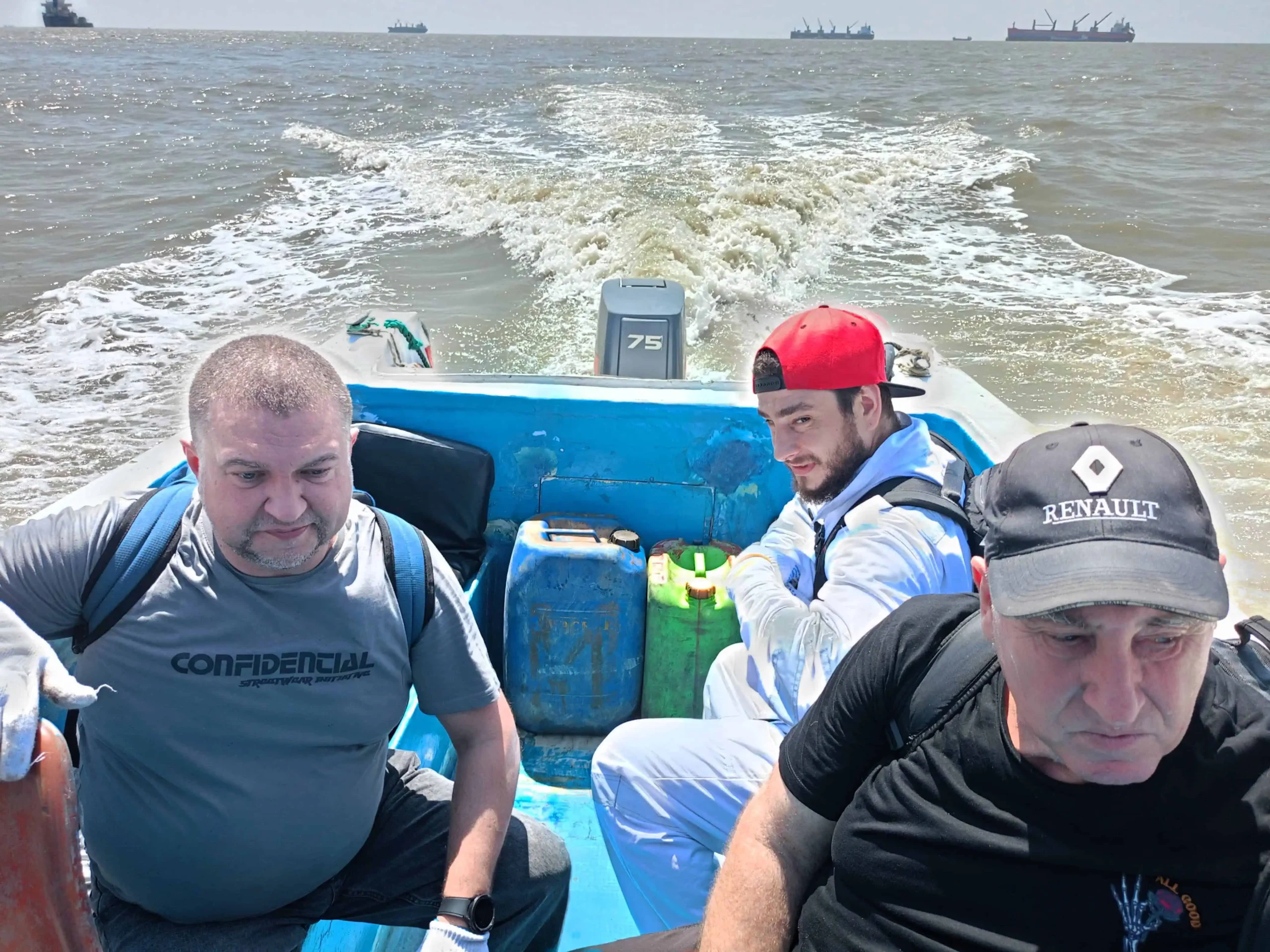
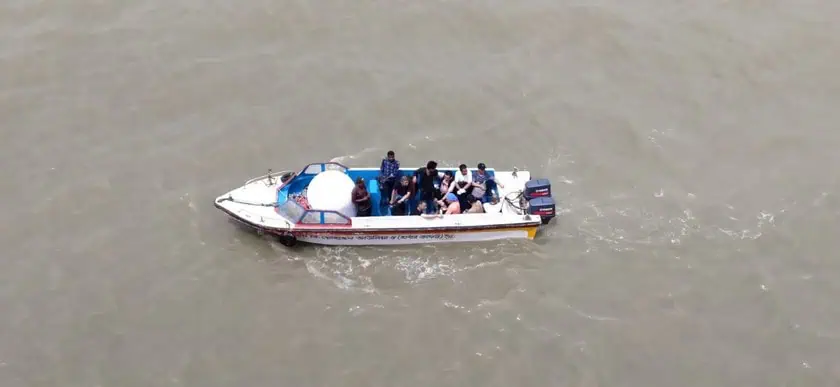
Most changes at Chittagong close within the same day, whether the vessel is lying jetty side in the inner harbour or working cargo out at the outer anchorage. Jetty side changes are the easier job, transport and hotel costs stay low because crew move almost directly between ship and shore. Outer anchorage changes run by speedboat, with documents collected off the vessel a working day ahead so immigration formalities don't hold things up on the day itself. When the anchorage is stacked with lighterage vessels working a draft-shortage discharge, the speedboat run has to thread around loaded barges rather than go out in a straight line, which is exactly why we don't wait until the morning of arrival to get paperwork moving. Free anchorage at Chittagong also keeps piloting and tugging charges off the account, which matters more than it sounds on a busy tanker schedule.
The same desk manages OK to Board letters, guarantee letters, on-arrival visas, and NOC clearance from the Shipping Master's office, so owners aren't running between the Shipping Office, Port Health, and Customs separately for the same crew change. A PSC officer boarding for inspection on the same call is one more variable we plan the boarding window around, since immigration and PSC don't always clear in the sequence a shore side plan assumes. Foreign seafarers eligible for Visa on Arrival get their landing permission sorted before they clear the aircraft steps, and where a seafarer needs longer ashore than the standard window allows, we carry the visa extension through to departure rather than leaving it as a loose end.
Documents worth having ready before a sign-on: seaman's book and CDC, passport, agency letter, NOC from the Shipping Office, air ticket, and government fees paid and receipted in advance, a VOA applicant showing up without the receipted fee is a common reason a sign-on stalls at the immigration counter for no good reason. Handling runs on a per-head charge rather than a flat day rate, so a single seafarer joining costs a fraction of a full crew rotation, and Mongla runs slightly higher than Chittagong given the extra distance and transfer time involved. Sending the flight schedule and the sign-on/sign-off plan early lets us lock in the speedboat, the hotel rooms, and the immigration slots before the vessel is even alongside or at anchor. For tankers working a short discharge window especially, that advance coordination is the difference between closing the changeover in one day and having it spill into a second, which nobody wants against a tight laytime.
A sign-on that misses the immigration window by an hour turns into an extra hotel night and a frustrated master. We plan backward from the flight, not forward from the paperwork.
Hazrat Shahjalal International Airport in Dhaka remains the main gateway for international sign-offs, with Chattogram airport covering a narrower set of international routes and domestic legs connecting Mongla and Payra crew back to Dhaka for onward travel. When a domestic seat isn't available on short notice, an AC road transfer from Chittagong to Dhaka covers the same connection without waiting on the next flight, a fallback that matters more during a demolition or ownership changeover, where a full crew signs off at once and the flight schedule can't always absorb everyone same-day. Off-signers are escorted ashore for immigration and airport transfer, and four to six hours is the realistic window to clear local formalities before an evening flight, a number that comes from doing this run repeatedly, not from a brochure.
Rooms are booked single or twin sharing at 2 to 5 star hotels on corporate rates, and food is arranged to suit the crew's nationality, something we've had to get right for Turkish, Greek, Ukrainian, Singaporean, Chinese, Filipino, and Indian crew over the years, a Filipino crew and a Greek crew don't want the same dinner, and getting that wrong on day one makes the rest of the changeover harder than it needs to be. Whether the direction is a crew joining or a crew signing off, the file runs through one CPA desk, so the principal gets a single position report instead of chasing updates from separate port and airport contacts.
Beyond the Routine Sign-On
We also arrange crew change for vessels going for scrapping or undergoing ownership changeover at Chittagong. That's a different situation from a routine sign-on: crew signing off a ship headed for the breaking yard, or a vessel changing flag and ownership, often need faster turnaround and tighter coordination with the Shipping Office and port authority since the vessel's status is changing at the same time as the crew. We coordinate the crew side of these changeovers alongside the scrapping or ownership transfer paperwork so the two processes don't end up working against each other.
What owners get from working one desk across every port: fewer dropped handoffs between the ship, the airport, and the Shipping Office; hotel and transport costs that stay predictable because the same suppliers are used call after call; and a reporting line that doesn't change depending on which port the vessel happens to be calling that week.
Joining Crew and Signing-Off Crew
The local service is adjusted to the crew direction, travel plan, and confirmed vessel position.
Joining Crew
On the joining side, we track the arrival and the itinerary before the seafarer even clears the airport, arrange shore movement to a hotel or by road where that's needed, and carry the transfer through to the vessel itself, whether that's jetty side or by speedboat out to a vessel locked at anchorage. The principal hears back once the crew is confirmed aboard: received, moved, and handed over.
Signing-Off Crew
On the sign-off side, we handle the release from the vessel and the shore transfer, follow through if the travel plan changes at short notice, and confirm the seafarer's position through to departure or the next leg of the journey. What comes back to the principal here is the sign-off itself, the travel position, and anything still open that needs chasing.